Botox Injections for Excessive Sweating: How They Help
Excessive sweating can be more than an occasional inconvenience. For people who experience heavy sweating without an obvious trigger, everyday activities such as working, socializing, exercising, or shaking hands can become uncomfortable and stressful. This condition, commonly known as hyperhidrosis, may affect the underarms, palms, feet, face, or other areas of the body.
When antiperspirants and other conservative approaches do not provide enough relief, Botox injections may be considered as a treatment option. Botox is widely recognized for cosmetic applications, but its ability to temporarily reduce excessive sweating has made it useful in certain medical and dermatological treatments.
For individuals researching Botox Injections in Muscat, understanding how the treatment works, what it can treat, what the procedure involves, and what results can realistically be expected can make the decision-making process easier.
What Is Excessive Sweating or Hyperhidrosis?
Sweating is a normal function that helps regulate body temperature. Sweat glands become active when the body becomes warm, during physical activity, or in response to certain emotional triggers. However, some people sweat significantly more than necessary.
Hyperhidrosis refers to excessive sweating that can interfere with daily life. It may occur even when the weather is comfortable or when the body does not need additional cooling. Primary hyperhidrosis often affects specific areas, particularly the underarms, hands, feet, or face. Secondary excessive sweating can sometimes be associated with medications, hormonal changes, or an underlying health condition.
The impact is not limited to wet clothing or damp hands. Persistent sweating can contribute to skin irritation, unpleasant odor, difficulty handling objects, and embarrassment in social or professional situations. Some individuals may also avoid certain activities because they are concerned about visible sweat.
Because excessive sweating can have different causes, an appropriate medical assessment is important before choosing a treatment.
How Do Botox Injections Help Control Sweating?
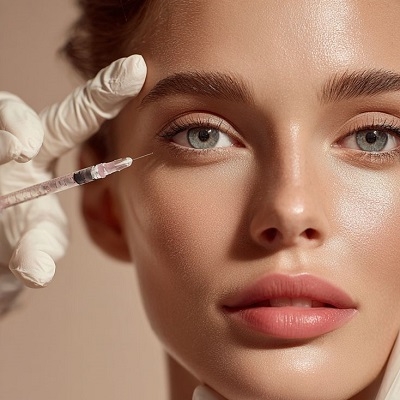
Botox contains botulinum toxin, a purified substance that temporarily blocks certain nerve signals. When used to manage excessive sweating, it works by interfering with the signals that stimulate sweat glands.
The treatment is usually injected into the affected area in a series of small injections. By reducing communication between the nerves and sweat glands, Botox can significantly decrease sweat production in the treated region.
This mechanism is different from simply covering or absorbing sweat. Instead, the treatment targets one of the signals responsible for activating the sweat glands.
Botox does not permanently destroy the sweat glands. Its effect is temporary because nerve activity gradually returns over time. This is why repeat treatment may eventually be necessary for people who experience good results and want to maintain them.
Which Areas Can Be Treated With Botox?
Botox for excessive sweating is most commonly associated with underarm hyperhidrosis, but other areas may sometimes be considered depending on the individual's circumstances and the expertise of the treating medical professional.
Underarms
Underarm sweating is one of the most common reasons people seek Botox treatment. Excessive axillary sweating can soak through shirts and create visible marks, even in air-conditioned environments. Botox injections can reduce activity in the sweat glands in the treated area and may make clothing choices and daily routines more comfortable.
Palms and Feet
Excessive sweating of the palms or soles can be particularly disruptive. Sweaty hands may make it difficult to use electronic devices, hold paperwork, operate certain tools, or comfortably interact with others. Excessive foot sweating can also contribute to damp footwear and skin irritation.
Botox may be used for these areas in selected cases. However, injections in the palms and soles can be more uncomfortable, so a medical professional may discuss pain-control options and whether the treatment is appropriate.
Other Areas
Certain other locations may be treated in specialized circumstances. The suitability of Botox depends on the area involved, the severity of sweating, the individual's health history, and the clinician's assessment.
What Happens During Botox Treatment for Sweating?
Before treatment, a healthcare professional generally evaluates the sweating pattern, medical history, medications, allergies, and previous treatments. This assessment helps determine whether hyperhidrosis is an appropriate target for Botox or whether additional investigation is needed.
During treatment, the affected area is cleaned and prepared. Multiple small injections are then placed across the targeted region. The number and placement of injections can vary depending on the treatment area and the individual's needs.
The procedure is typically performed as an outpatient treatment, meaning there is generally no need for an overnight stay. The experience can vary from person to person, particularly depending on the sensitivity of the treated area.
After treatment, normal activities may often be resumed relatively quickly, although specific aftercare instructions should always be followed. A healthcare professional can explain what activities, products, or medications should be avoided immediately after the procedure.
When Can Results Be Expected and How Long Do They Last?
Botox does not usually reduce sweating instantly. The effect develops as the nerve signals to the treated sweat glands are gradually interrupted. Many people begin noticing improvement within several days, with the full effect becoming more apparent over the following couple of weeks.
The duration of results varies. Some individuals experience relief for several months, while others may notice the effect lasting longer or shorter depending on factors such as the treated area, individual physiology, and severity of sweating.
Because the effect is temporary, sweating can gradually return as nerve function recovers. Individuals who respond well to treatment may discuss repeat sessions with their healthcare professional when symptoms return.
It is important to remember that Botox treats sweating in the injected area rather than eliminating the body's ability to sweat altogether. Other sweat glands continue to perform their normal temperature-regulating function.
Benefits, Side Effects, and Important Considerations
One of the main benefits of Botox treatment for hyperhidrosis is targeted sweat reduction. Instead of applying a product repeatedly throughout the day, the treatment can provide a longer period of relief from excessive sweating in the treated region.
Reduced sweating may also improve confidence and comfort. People who previously worried about sweat marks, damp hands, or constantly changing clothes may find everyday situations easier to manage.
However, Botox is not suitable for everyone, and it is not free from potential side effects. Temporary pain, tenderness, swelling, redness, bruising, or discomfort at injection sites can occur. When treating the hands, temporary weakness of nearby muscles can be a consideration, which is one reason proper assessment and technique are important.
Rare but more serious effects are possible with botulinum toxin treatments. A qualified medical professional can explain the risks, benefits, contraindications, and alternatives before treatment.
Anyone with a sudden or unexplained change in sweating should also seek medical advice rather than immediately assuming that Botox is the appropriate solution. Secondary hyperhidrosis can sometimes be linked to another medical condition or medication, and addressing the underlying cause may be more important than treating the sweating itself.
Is Botox for Excessive Sweating Worth Considering?
For people whose excessive sweating significantly affects their quality of life and has not responded adequately to other treatments, Botox can be a useful option to discuss with a qualified healthcare professional.
People researching Botox Injections in Muscat should focus on more than the treatment's popularity. The quality of assessment, medical suitability, injection technique, safety standards, and aftercare all matter. A consultation can help determine whether Botox is appropriate and whether another treatment may offer a better fit.
Depending on the situation, other options may include prescription-strength antiperspirants, topical medications, oral medicines, iontophoresis, or other medical treatments. The best approach depends on the location and severity of sweating, previous treatment response, overall health, and personal preferences.
The goal is not simply to stop sweating. Instead, effective treatment aims to reduce excessive sweating while maintaining normal body function and improving everyday comfort.
Frequently Asked Questions
1. How does Botox stop excessive sweating?
Botox temporarily blocks nerve signals that stimulate sweat glands. With fewer signals reaching the treated sweat glands, sweat production in that specific area is reduced.
2. How long does Botox for excessive sweating last?
Results are temporary and vary between individuals. Many people experience reduced sweating for several months, after which the effect can gradually wear off as nerve activity returns.
3. Is Botox for sweating painful?
The treatment involves multiple small injections, so some discomfort may occur. Sensitivity varies depending on the treatment area. A healthcare professional can discuss ways to make the procedure more comfortable.
4. Can Botox treat sweaty hands and feet?
Botox may be used for palmar or plantar hyperhidrosis in selected cases. These areas can be more sensitive, so treatment should be performed following an appropriate medical assessment.
5. Are there side effects from Botox for hyperhidrosis?
Temporary redness, swelling, bruising, tenderness, or discomfort may occur around injection sites. Other effects are possible depending on the treatment area, so potential risks should be discussed during consultation.
6. Is Botox the only treatment for excessive sweating?
No. Treatment options can include prescription antiperspirants, topical or oral medications, iontophoresis, and other procedures. A healthcare professional can recommend an approach based on the cause, severity, affected area, and previous treatments.
Read More About Botox Injections: https://wefunder.com/feed/366132-botox-injections-for-jawline-slimming-does-it-work

 English
 Chinese (Simplify)
