Gastric Bypass Surgery for PCOS and Weight Management

Polycystic Ovary Syndrome, commonly known as PCOS, is a hormonal and metabolic condition that can affect women in several ways. Weight gain, insulin resistance, irregular menstrual cycles, acne, excessive hair growth, and difficulty becoming pregnant are among the concerns frequently associated with PCOS. For women who are also living with severe obesity, achieving sustainable weight loss can sometimes be particularly challenging.
For suitable patients struggling with obesity and PCOS, Gastric Bypass Surgery in Islamabad may be considered as part of a comprehensive weight management plan. Gastric bypass is a type of bariatric surgery that reduces stomach capacity and changes the pathway food takes through the digestive system. These changes can support substantial weight loss and may improve several obesity related metabolic conditions.
What Is Gastric Bypass Surgery
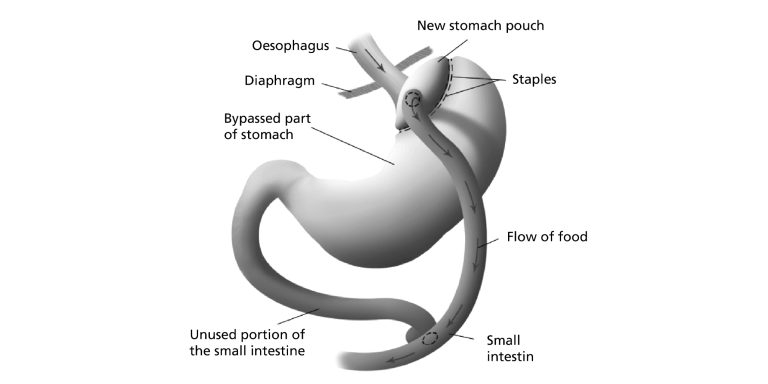
Gastric bypass, particularly Roux en Y gastric bypass, is a bariatric procedure designed to help people with obesity achieve significant and sustainable weight loss. During the procedure, the surgeon creates a small stomach pouch and connects it to a lower section of the small intestine.
This changes both the amount of food a person can comfortably consume and the way calories and nutrients are absorbed. Gastric bypass can also influence hormones involved in hunger, fullness, and metabolism.
How Gastric Bypass Works
The procedure generally works through several mechanisms:
-
Creates a smaller stomach pouch that limits meal size
-
Helps patients feel full after eating smaller portions
-
Bypasses part of the small intestine
-
Changes the absorption of calories and nutrients
-
Influences hormones associated with hunger and appetite
-
Supports long term weight management when combined with lifestyle changes
Because gastric bypass changes the digestive system, patients require long term nutritional monitoring and dietary guidance after surgery.
Understanding the Connection Between PCOS and Obesity
PCOS and obesity can influence each other. Many women with PCOS experience insulin resistance, meaning the body's cells do not respond effectively to insulin. The body may compensate by producing more insulin, which can contribute to hormonal changes and make weight management more difficult.
Excess body weight can also worsen some metabolic and reproductive symptoms associated with PCOS.
How Obesity May Affect PCOS
Weight related metabolic changes may contribute to:
-
Increased insulin resistance
-
Difficulty managing blood glucose
-
Irregular menstrual cycles
-
Ovulation problems
-
Increased androgen activity
-
Fertility difficulties
-
Increased risk of metabolic health problems
However, PCOS is a complex condition, and not every woman with PCOS has obesity. Treatment should therefore be individualized according to a person's symptoms, metabolic health, reproductive goals, and overall medical condition.
Can Gastric Bypass Help With PCOS and Weight Management
Gastric bypass is not a direct cure for PCOS. However, substantial weight loss and improvements in metabolic health may help some women manage obesity related aspects of PCOS.
The primary purpose of gastric bypass is to treat obesity and its related health conditions. Weight loss after bariatric surgery can improve conditions such as type 2 diabetes, high blood pressure, sleep apnea, and other obesity related problems.
Potential Benefits for Women With PCOS
For an appropriate candidate, successful weight management following surgery may potentially support:
-
Improved insulin sensitivity
-
Better metabolic health
-
Improved weight control
-
More regular menstrual cycles in some women
-
Improved ovulatory function in some cases
-
Potential improvement in fertility associated with obesity
-
Greater ability to participate in physical activity
-
Improved confidence and quality of life
These outcomes are not guaranteed and depend on individual health factors. PCOS management may still require medication, nutritional care, exercise, and ongoing monitoring.
Who May Be a Candidate for Gastric Bypass
Gastric bypass is generally considered for people with obesity when lifestyle interventions alone have not provided sufficient results or when obesity is associated with significant health problems.
Eligibility is not determined by weight alone. A bariatric surgeon evaluates BMI, medical history, existing health conditions, previous weight loss attempts, nutritional status, psychological readiness, and the patient's ability to follow long term lifestyle recommendations.
Factors Doctors May Consider
A bariatric evaluation may include:
-
Current BMI and weight history
-
PCOS symptoms and treatment history
-
Blood glucose and insulin related health
-
Blood pressure and cholesterol
-
Liver and kidney health
-
Previous weight loss attempts
-
Current medications
-
Eating habits and nutritional status
-
Psychological and behavioral factors
-
Previous abdominal surgeries
-
Long term commitment to follow up care
Current medical guidance recognizes bariatric surgery as an option for appropriately selected people with severe obesity, with eligibility depending on individual circumstances and clinical assessment.
Gastric Bypass Surgery in Islamabad and PCOS Management
Women searching for Gastric Bypass Surgery in Islamabad should look beyond the procedure itself and consider the complete treatment pathway. Bariatric surgery is not simply a one day operation. Successful outcomes depend on preparation, surgery, nutritional support, physical activity, and long term follow up.
A qualified bariatric team can assess whether gastric bypass is appropriate and whether another weight management approach may be more suitable.
Why Individual Assessment Matters
Two women with PCOS can have very different symptoms and medical needs. One may primarily struggle with insulin resistance and obesity, while another may have fertility concerns, irregular periods, or other hormonal symptoms.
A personalized assessment can help determine:
-
Whether bariatric surgery is medically appropriate
-
Whether gastric bypass is the right procedure
-
What health conditions should be addressed before surgery
-
What nutritional deficiencies need correction
-
What weight management strategy should follow surgery
-
How PCOS related concerns should be monitored
Preparing for Gastric Bypass Surgery
Preparation is an important part of bariatric treatment. Your surgeon and healthcare team may recommend medical testing, dietary changes, physical activity, and other preparations before surgery.
The exact preparation plan varies according to the patient's health and surgical requirements.
Common Preparation Steps
Patients may be advised to:
-
Complete blood tests and medical evaluations
-
Review existing medications
-
Follow a preoperative diet if recommended
-
Stop smoking or tobacco use
-
Improve physical activity gradually
-
Meet with a dietitian
-
Discuss existing medical conditions
-
Understand the expected postoperative diet
-
Arrange appropriate postoperative support
Being properly prepared can make the transition into life after surgery easier.
What to Expect After Gastric Bypass
Recovery after gastric bypass happens gradually. Initially, patients typically progress through different dietary stages while the digestive system heals. The diet may begin with liquids and gradually progress to pureed, soft, and more regular foods according to the surgeon's instructions.
The goal is not simply to eat less but to develop sustainable eating habits that support nutritional health and weight management.
Important Lifestyle Changes
After surgery, patients usually need to focus on:
-
Eating small portions
-
Eating slowly and chewing food thoroughly
-
Prioritizing protein rich foods
-
Staying adequately hydrated
-
Taking prescribed vitamin and mineral supplements
-
Increasing physical activity gradually
-
Attending scheduled follow up appointments
-
Monitoring nutritional health
-
Avoiding excessive high sugar and high fat foods
A structured postoperative diet helps the stomach and digestive system adapt while teaching patients new eating habits.
Gastric Bypass and Fertility in Women With PCOS
Fertility is an important consideration for many women with PCOS. Obesity itself can affect reproductive health, and weight loss may improve fertility in some women.
Gastric bypass can produce substantial weight loss, which may potentially improve obesity related fertility problems. However, women planning pregnancy should discuss their plans with their bariatric and reproductive healthcare providers.
Pregnancy After Bariatric Surgery
Pregnancy requires special nutritional consideration after gastric bypass because the procedure can affect nutrient absorption.
Women are generally advised to delay pregnancy during the period of rapid weight loss following bariatric surgery. ACOG recommends waiting approximately 12 to 24 months after bariatric surgery before becoming pregnant.
Patients planning pregnancy should discuss:
-
Appropriate timing of pregnancy
-
Nutritional supplementation
-
Vitamin and mineral levels
-
Medication requirements
-
Contraception options
-
Prenatal nutritional monitoring
-
Follow up with an obstetric healthcare professional
Risks and Possible Complications
Like every major surgical procedure, gastric bypass has potential risks. Understanding these risks is an essential part of making an informed decision.
Possible short term complications can include:
-
Bleeding
-
Infection
-
Blood clots
-
Reactions to anesthesia
-
Gastrointestinal leaks
-
Abdominal complications
Longer term complications may include:
-
Nutritional deficiencies
-
Dumping syndrome
-
Gallstones
-
Bowel obstruction
-
Ulcers
-
Hernias
-
Low blood sugar
-
Malnutrition
-
Need for additional procedures
The actual risk varies from patient to patient, which is why a detailed medical evaluation is important before surgery.
Gastric Bypass Diet for PCOS and Weight Management
Nutrition remains important after gastric bypass. The smaller stomach pouch means patients need to make every meal nutritionally valuable.
A dietitian can help patients develop an eating plan that provides adequate protein, vitamins, minerals, and fluids while supporting continued weight loss.
Important Nutritional Priorities
A postoperative eating plan may emphasize:
-
Protein rich foods
-
Adequate fluids
-
Recommended vitamin supplements
-
Appropriate portions
-
Nutrient dense foods
-
Limited high sugar foods
-
Limited high fat foods
-
Regular nutritional monitoring
Because gastric bypass can reduce nutrient absorption, long term supplementation and laboratory monitoring are important parts of postoperative care.
How Long Does Weight Loss Continue After Surgery
Weight loss varies considerably between individuals. Factors such as starting weight, age, metabolism, eating habits, physical activity, medical conditions, and adherence to postoperative recommendations can influence results.
Gastric bypass can provide substantial long term weight loss, but surgery should not be viewed as a guarantee of a particular amount of weight loss.
Maintaining Results Long Term
Long term success depends on developing sustainable habits.
Patients should focus on:
-
Following their nutritional plan
-
Staying physically active
-
Taking prescribed supplements
-
Attending follow up appointments
-
Monitoring weight trends
-
Managing PCOS with appropriate medical care
-
Addressing emotional or behavioral eating concerns
-
Seeking professional guidance when weight loss plateaus
Gastric Bypass Surgery Versus Other Weight Loss Options
Gastric bypass is only one option for treating obesity. Depending on BMI, medical history, PCOS symptoms, previous treatments, and personal goals, a doctor may recommend lifestyle modification, prescription weight loss medication, another bariatric procedure, or a combination of approaches.
There is no single weight loss treatment that is ideal for everyone.
Why a Professional Consultation Matters
A consultation allows a bariatric specialist to assess your individual circumstances rather than recommending surgery based only on a general checklist.
The discussion may cover:
-
Your current BMI
-
PCOS history
-
Weight loss goals
-
Previous treatment attempts
-
Existing health conditions
-
Medication history
-
Nutritional requirements
-
Surgical options
-
Expected recovery
-
Long term follow up
Choosing a Gastric Bypass Clinic in Islamabad
Choosing the right clinic is an important part of your bariatric journey. Patients should consider the experience of the surgical team, the availability of nutritional support, postoperative monitoring, hospital facilities, and the clinic's approach to long term patient care.
For anyone considering Gastric Bypass Surgery in Islamabad, it is important to choose a healthcare provider that emphasizes individualized assessment rather than treating weight loss as a purely cosmetic goal.
What to Look For in a Bariatric Program
Consider asking about:
-
Bariatric surgeon experience
-
Preoperative medical assessment
-
Dietitian support
-
Surgical facilities
-
Postoperative monitoring
-
Emergency support
-
Follow up schedule
-
Management of nutritional deficiencies
-
Long term weight management support
Why Slimthetics Clinic Can Be Part of Your Weight Loss Journey
For patients considering bariatric treatment in Islamabad, Slimthetics Clinic focuses on personalized weight management and bariatric care. The goal should be more than achieving a lower number on the weighing scale. A comprehensive approach considers obesity, metabolic health, lifestyle, nutrition, and the individual concerns associated with conditions such as PCOS.
If you are considering gastric bypass because obesity and PCOS are affecting your health, confidence, or quality of life, a professional consultation can help you understand whether surgery is appropriate for you. At Slimthetics Clinic, patients can discuss their weight management goals and explore suitable bariatric options with a specialized healthcare team.
Final Thoughts
Gastric bypass can be an effective treatment option for appropriately selected patients with severe obesity. For women with PCOS, substantial weight loss and improvements in metabolic health may help address some obesity related aspects of the condition, although gastric bypass itself is not a cure for PCOS.
The most important step is to receive an individualized medical assessment before deciding on surgery. With appropriate preparation, nutritional support, physical activity, and long term follow up, bariatric treatment can become part of a broader strategy for healthier weight management and improved quality of life.
If you are exploring bariatric treatment in Islamabad, speaking with an experienced bariatric team at Slimthetics Clinic can help you understand your options and determine whether gastric bypass is suitable for your individual health needs.

 English
 Chinese (Simplify)
