Which Maotian Twin Hammer Air Impact Wrench Features Matter Before Purchase

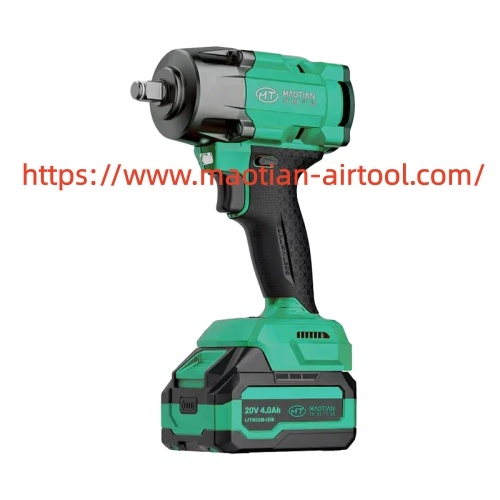
Twin Hammer Air Impact Wrench selection should begin with the actual requirements of the workplace. Buyers need to look beyond a single torque figure and consider drive size, fastener dimensions, compressor capacity, air consumption, operating frequency, tool weight, and maintenance arrangements. These details help determine whether a model fits automotive repair, tire service, equipment maintenance, assembly work, or other fastening applications.
One useful starting point is the drive configuration. Different drive sizes are designed around different fastening requirements, so purchasing teams should compare the intended socket range with the specifications provided by the manufacturer. A smaller configuration may suit lighter vehicle work and limited spaces, while larger formats can be considered for heavier fastening tasks. Product specifications commonly include drive size, bolt capacity, free speed, air inlet dimensions, air consumption, and recommended pressure.
Air supply is another area that deserves careful attention. A workshop may have a compressor capable of reaching the required pressure, but pressure alone does not tell the entire story. Air volume, hose diameter, hose length, fittings, filters, and regulators can influence how much usable air reaches the equipment. Buyers should compare the manufacturers stated requirements with the existing compressor and airline setup before placing an order. Some current product specifications, for example, list a 90 psi operating point alongside specific hose and inlet requirements.
The internal mechanism should also be considered according to the intended workload. A twin hammer mechanism uses two hammers to deliver repeated striking action around the anvil. This configuration is commonly used across automotive, tire, maintenance, and industrial applications. Different products can still vary in construction, housing materials, lubrication systems, weight, balance, and control design, so buyers should compare the complete specification rather than focusing only on the mechanism category.
Torque figures require careful interpretation as well. A published maximum does not necessarily represent the result under every operating condition. Air pressure, available airflow, connection restrictions, lubrication, fastener condition, socket selection, and operator technique can all influence actual use. For purchasing teams, it is useful to compare working torque information with the type and size of fasteners used in daily operations. This gives a more realistic basis for selecting a suitable configuration.
Ergonomics can become important when equipment is used repeatedly throughout the day. Weight, handle shape, balance, trigger placement, exhaust direction, vibration, and access around the workpiece may influence operator comfort. Some industrial models use side handles or specific housing arrangements to accommodate different working positions. Product dimensions should therefore be reviewed together with mechanical specifications, especially when buyers are planning purchases for repair shops or production environments.
Maintenance is another practical point that should be discussed before purchasing. Compressed air equipment needs appropriate lubrication and reasonably clean air to support normal operation. Moisture, contamination, restricted airflow, and insufficient lubrication can affect internal components over time. Buyers should ask about recommended oil, service intervals, inlet cleaning, replacement parts, and access to maintenance components. A product with clear service information can make routine upkeep easier to organize.
For distributors and equipment brands, supply details also deserve attention. Questions about available drive sizes, handle configurations, surface finishes, packaging, accessories, private labeling, spare components, inspection procedures, and production arrangements can help prevent misunderstandings after an order is confirmed. These details are especially useful when several configurations are needed for different markets or customer groups.
Maotian provides pneumatic tool solutions for buyers looking at fastening equipment for workshop and industrial applications. When evaluating a supplier, purchasing teams can compare technical specifications, production capabilities, customization options, inspection procedures, packaging, and after sales communication. A detailed discussion before production can help both sides confirm the required configuration.
A sensible purchasing decision comes from matching equipment specifications with real working conditions. Buyers should consider the compressor, hose system, fastener range, daily workload, operator requirements, maintenance routine, and service environment as one complete picture. For buyers considering a 1 Pneumatic Impact Wrench this approach can make product comparison more practical and reduce the risk of choosing a configuration that does not match the intended application.
Maotian continues to provide options for customers looking at pneumatic fastening equipment and related workshop applications. Buyers can review available configurations, compare product details, and select a suitable option based on their operating requirements at https://www.maotian-airtool.com/product/

 English
 Chinese (Simplify)
