What Age Is Best for Botox Injections?
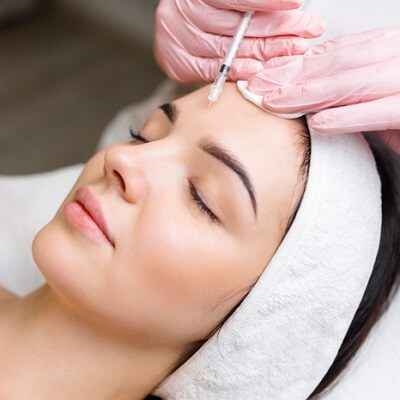
Botox Injections have become a popular cosmetic treatment for people who want to soften the appearance of facial lines and maintain a refreshed, natural-looking appearance. However, one question often comes up before treatment: What age is best for Botox Injections?
There is no single age that is right for everyone. Some people begin considering Botox in their late 20s, while others do not feel they need it until their 30s, 40s, or later. The most appropriate time depends less on a specific birthday and more on factors such as facial movement, the type of wrinkles present, skin condition, personal goals, and overall health.
Botox Injections is a brand name for a botulinum toxin product. When used cosmetically, it temporarily reduces the activity of specific muscles responsible for certain expression lines. The U.S. Food and Drug Administration-approved cosmetic uses include temporary improvement in the appearance of moderate-to-severe frown lines, crow's feet, forehead lines, and platysma bands in adults.
Understanding how Botox works and why people consider it at different stages of adulthood can help individuals make a more informed decision.
Is There a Perfect Age for Botox Injections?
There is no universally recommended "perfect" age for Botox Injections. Cosmetic treatment is generally based on individual needs rather than age alone.
Expression lines develop differently from person to person. Genetics, sun exposure, facial expressions, smoking, skin-care habits, and natural aging can all influence when lines become noticeable. Someone who frequently squints or frowns may develop visible expression lines earlier than someone with less repetitive facial movement.
The American Academy of Dermatology notes that results and suitability depend on factors including a person's skin condition, age, and health. A consultation with a qualified medical professional can help determine whether botulinum toxin treatment is appropriate or whether another approach would provide a better result.
For some adults, the late 20s or early 30s may be when expression lines begin appearing even when the face is relaxed. Others may prefer to wait until wrinkles become more established. Neither choice is automatically better.
The most useful question is not simply, "How old is the person?" but rather, "What skin concern is the person trying to address?"
Botox Injections in the 20s: Are They Necessary?
People in their 20s may consider Botox for different reasons. Some have naturally strong facial muscle activity and notice early expression lines between the eyebrows, across the forehead, or around the eyes. Others are interested in maintaining a smooth appearance before lines become more pronounced.
However, younger adults do not automatically need Botox simply because it is popular. If a person has little or no visible concern, a consistent skin-care routine may be a more appropriate starting point.
Daily sun protection is particularly important because ultraviolet exposure contributes to premature skin aging. The American Academy of Dermatology recommends broad-spectrum sunscreen with SPF 30 or higher as part of an effective approach to reducing premature skin aging.
For a person in their 20s who is considering Botox, an individualized assessment can help determine whether treatment would provide a meaningful benefit. Cosmetic injections should be based on a specific concern rather than pressure from social media, trends, or unrealistic expectations.
Botox Injections in the 30s: A Common Time to Consider Treatment
The 30s are often when facial expression lines become more noticeable. Repeated muscle movement over many years can gradually cause dynamic lines to appear more clearly, particularly around the forehead, between the eyebrows, and at the outer corners of the eyes.
This does not mean everyone in their 30s should have Botox. It simply means that some people may begin noticing changes that they would like to address.
Botulinum toxin temporarily relaxes targeted muscles, which can reduce the appearance of certain expression-related wrinkles. According to the American Academy of Dermatology, many people begin seeing results within about three to seven days, with improvements commonly lasting around three to four months, although results can vary.
For someone in their 30s, treatment may be considered when expression lines are becoming a consistent cosmetic concern. A conservative approach can help preserve facial movement while producing a smoother appearance.
The goal should not be to eliminate every line. A natural-looking result generally comes from treating appropriate muscles and using an amount suitable for the individual's anatomy and desired outcome.
Botox Injections in the 40s and Beyond
Botox Injections can also be appropriate for adults in their 40s, 50s, and beyond. There is no rule that Botox becomes ineffective simply because someone waited until later adulthood.
As skin ages, however, several processes occur at the same time. Collagen and elastin production decline, skin may become thinner or drier, and facial volume can change. Botox primarily affects muscle activity, so it may not address every visible sign of aging.
For example, a wrinkle caused mainly by repeated muscle movement may respond well to botulinum toxin, while significant volume loss or skin laxity may require a different treatment strategy. The American Academy of Dermatology identifies botulinum toxin and dermal fillers as different options for addressing different aspects of facial aging.
This is why a personalized consultation is particularly valuable for people considering treatment later in life. Instead of assuming that Botox is the answer to every wrinkle, an experienced medical professional can assess whether the concern is primarily related to muscle movement, skin texture, volume, or a combination of factors.
What Factors Matter More Than Age?
Age is only one part of the decision. Several other factors can influence whether Botox Injections may be suitable.
Type of wrinkles: Botox works particularly well on dynamic wrinkles caused by repeated muscle movement. Lines that remain deeply visible even when the face is completely relaxed may require a different or additional approach.
Personal goals: Some people want a subtle softening of expression lines, while others want a more noticeable reduction. Clear expectations can make treatment planning easier.
Facial anatomy: Everyone has different muscle strength, facial proportions, and patterns of movement. Treatment should therefore be individualized rather than based on a standard age-based formula.
Skin-care habits: Sun exposure can accelerate visible skin aging. Sunscreen, moisturizing, and other appropriate skin-care practices remain important regardless of whether someone chooses Botox.
Overall health: Certain medical conditions, medications, and previous procedures may affect whether botulinum toxin treatment is appropriate. A medical professional should review relevant health information before treatment.
Treatment expectations: Botox is temporary. It does not permanently stop aging or prevent every type of wrinkle. Understanding its limitations helps people make realistic decisions.
What Happens During and After Botox Treatment?
Botox Injections involve placing small amounts of botulinum toxin into carefully selected muscles. The treatment is generally performed during an office visit, and most people can return to their normal activities immediately.
Results are not usually immediate. Changes commonly develop over several days, with the full cosmetic effect becoming more apparent as the treated muscles gradually relax.
Temporary redness, swelling, soreness, or bruising can occur around injection sites. Other possible effects include headache or temporary weakness of a nearby muscle, which can occasionally cause a drooping eyelid or brow. Serious reactions are uncommon but can occur, and official prescribing information warns about the rare possibility of toxin effects spreading beyond the injection area. Difficulty breathing, swallowing, or speaking after treatment requires immediate medical attention.
Because Botox is a medical procedure, safety should be a priority. The American Academy of Dermatology advises patients to receive botulinum toxin treatment in an appropriate medical setting from qualified professionals and warns against injections performed in non-medical environments such as parties, salons, or homes.
How to Decide if Botox Is Right at Any Age
Rather than choosing Botox based solely on age, individuals can consider several practical questions.
Does a particular expression line genuinely bother them? Does the line become more noticeable with facial movement? Are expectations realistic? Is the person willing to undergo a temporary treatment that may need to be repeated? Would a different skin-care or cosmetic approach address the concern more effectively?
A consultation can help answer these questions.
For someone who is younger and has minimal signs of aging, improving sun protection and establishing a consistent skin-care routine may be enough. For someone who has noticeable dynamic lines, Botox may be an option worth discussing. For someone with more advanced signs of aging, Botox may be useful as part of a broader treatment plan rather than as a standalone solution.
The best age for Botox is therefore not necessarily 25, 30, 35, or 40. The best time is when a person has a specific concern that Botox can appropriately address, has realistic expectations, and has been medically assessed as a suitable candidate.
Most importantly, cosmetic treatment should be a personal decision. There is no requirement to start Botox at a particular age, and choosing not to have it is equally valid.
Frequently Asked Questions About Botox Injections
1. What is the best age to start Botox Injections?
There is no universal starting age. Some adults consider Botox in their late 20s or 30s when expression lines become noticeable, while others wait until their 40s or later. The decision should be based on individual concerns, facial movement, health, and treatment goals rather than age alone.
2. Is Botox safe for younger adults?
Botulinum toxin products used cosmetically are intended for adults for specific approved cosmetic indications, but suitability depends on the individual. A qualified medical professional should review health history, medications, expectations, and the areas being considered before treatment.
3. Does starting Botox early prevent wrinkles permanently?
No. Botox temporarily reduces muscle activity in targeted areas and can soften certain expression lines. It does not permanently prevent the natural aging process. Good skin-care habits, particularly consistent sun protection, remain important for maintaining healthy-looking skin.
4. How long do Botox Injections usually last?
Cosmetic effects commonly last around three to four months, although the duration varies between individuals and treatment areas. Some people may experience effects for longer periods.
5. Can someone in their 50s or 60s still benefit from Botox?
Yes. Adults can consider Botox later in life when appropriate. However, aging involves more than muscle movement, so Botox may not address concerns such as significant skin laxity or volume loss by itself. An individualized assessment can help identify the most appropriate approach.
6. What should someone consider before getting Botox Injections?
The person should consider the specific concern being treated, expected results, medical history, medications, previous cosmetic procedures, and the qualifications and setting of the person performing the injections. Botox should be treated as a medical procedure rather than a casual beauty service.
Ultimately, there is no one-size-fits-all age for Botox Injections. Some people may benefit from treatment in their 30s, while others may prefer to wait until their 40s, 50s, or beyond. What matters most is whether the treatment matches the individual's concerns, anatomy, health, and expectations. A qualified medical consultation can provide personalized guidance and help ensure that any decision is informed, realistic, and focused on safety.
Read More About Botox Injections: https://wefunder.com/feed/366051-can-ear-reshaping-refine-the-look-of-your-ears

 English
 Chinese (Simplify)
